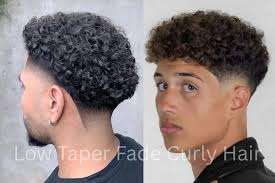
If you’ve ever wondered why the low taper fade is everywhere—from TikTok barbers to NBA locker rooms—then you’re about to get all the answers. How does such a simple haircut manage to elevate almost any style without trying too hard? Why does it suit nearly every face shape? And more importantly, why has it become one of the most requested fades in barbershops around the world?
The beauty of the low taper fade lies in its subtlety. It’s not screaming for attention like some high fades or dramatic skin cuts. Instead, it whispers confidence. It adds shape, blends effortlessly, and frames your natural features in a flattering way. Whether you rock curls, waves, straight hair, or coils, this fade slips into your style like it was made for you.
In this complete guide, we’ll break down everything—what a low taper fade actually is, why it works so well, who it suits, styling ideas, maintenance tips, and mistakes to avoid. By the end, you’ll know exactly how to talk to your barber, how to maintain the cut, and how to make it look fresh every day without spending an hour in front of the mirror.
What Exactly Is a Low Taper Fade?
The low taper fade is a clean, gradual transition that starts around the ears and neckline. Unlike a mid fade or high fade, it doesn’t rise too far up the head. Instead, the fade stays low and tight, giving your haircut structure without taking away too much length on the sides.
One of the reasons people love the low taper fade is because it blends seamlessly with nearly any hairstyle. Long hair on top? Works. Short curls? Works. Waves? Absolutely. Because the fade sits so low, it doesn’t interfere with the shape you have going on above it. Instead, it enhances it by creating a neat and polished foundation.
What separates the low taper fade from a regular fade is the tapered edges. A taper is all about soft transitions. When combined with a fade, you get a result that looks sharp but never harsh. The hair gradually shortens from the top down toward the neckline until it blends into the skin. This technique gives you a clean, modern look that isn’t too dramatic.
Another great thing about the taper fade is that it’s incredibly versatile. You can pair it with a lineup, a beard fade, curls, mullets, quiffs, messy tops—the options are endless. That’s why you’ll see both businessmen and rappers wearing it with equal confidence. It simply adapts.
Why the Low Taper Fade Has Become So Popular
The low taper fade has been around for years, but in the last few seasons, it exploded in popularity. Social media definitely played a part in that boom. Every day, you’ll find videos of barbers transforming men’s hair with flawless taper fades, showing before-and-after shots that are instantly jaw-dropping.
Another reason is its universality. Many trendy cuts are high-maintenance or only work for one specific hair type. The low taper fade doesn’t fall into that trap. It suits straight hair just as well as it suits 4C coils, thick curls, soft waves, or fine hair. It’s also ideal for people who want a clean look without fully committing to a skin fade around the entire head.
Celebrities and public figures have also embraced the low taper fade, from athletes to influencers. The style photographs well and looks amazing on camera, which only fuels its popularity. It highlights the jawline, frames the face nicely, and adds depth and dimension.
Another big reason behind its rise is simplicity. People want haircuts that look intentional yet effortless. You want to look like you tried, without actually trying that hard. And that’s exactly what the low taper fade delivers. When done right, you look groomed even on your worst hair day.
Who Does a Low Taper Fade Suit Best?
One of the biggest strengths of the low taper fade is that it suits almost everyone. Whether you have an oval face, square jaw, round cheeks, long face, or heart-shaped features, you can rock it. Because the fade sits low, it doesn’t add unnecessary height or width. Instead, it contours the natural shape of your head.
If you have a round face, the low taper fade can work wonders by slimming the sides and creating more definition. It helps avoid that “balloon effect” that some high fades can create. On the other hand, if you have a long face, it keeps the visual balance by not removing too much hair from the sides.
Hair texture also plays a role. For those with curly or coily hair, the low taper fade adds structure and makes your curls look more intentional. It provides a clean frame and helps avoid the bulky sides that can make curls look puffier. For straight-haired people, it gives the hair shape and prevents the sides from sticking straight out.
Age doesn’t matter either. Teens love it for its trendiness. Men in their 20s and 30s enjoy its versatility and fresh, modern vibe. Even older men appreciate how it sharpens their style without being too bold. It can be paired with beards, goatees, stubble, or a clean shave, which only enhances its universal appeal.
Different Types of Low Taper Fades You Can Choose From
While the basic concept of a low taper fade stays the same, there are several variations you can choose depending on your style and personality. One of the most popular versions is the low taper with a line-up, which combines clean edges with a smooth fade for a crisp finish. It looks especially good on people with curly or textured hair.
Another variation is the low skin taper fade. This one drops all the way down to bare skin at the very bottom. It’s slightly more dramatic but still subtle compared to high skin fades. This look is perfect if you want extra sharpness without going overboard. It also pairs well with neat beards and defined top styles.
You’ll also find the low taper fade with curls, which is a favorite among guys with naturally coily or curly hair. The fade helps manage volume while letting the curls shine. The contrast between the tight fade and the natural texture on top creates a visually appealing look that stands out without looking flashy.
Then there’s the low taper fade mullet—yes, the mullet is back and it’s cooler than ever. This modern version keeps the party in the back but adds sophistication with a clean fade on the sides. It’s a bold choice for people who love mixing vintage flair with modern techniques.
And let’s not forget the low taper fade with waves. Wavers especially love this haircut because the fade doesn’t disturb their wave pattern. It allows the waves to pop while keeping the sides neat and controlled. Combine it with a clean lineup and you get a look that’s smooth from every angle.
How to Ask Your Barber for a Low Taper Fade
Barber terminology can be confusing, especially if you’re not used to haircut jargon. But asking for a low taper fade is actually simple once you understand the basics. The key is clarity. You don’t want to just say “low fade” because that might result in a high fade if the barber isn’t paying attention.
Start by saying you want a low taper fade, making sure to use the word “taper.” This tells your barber you want the fade concentrated around the sideburns and neckline. You can also specify whether you want a skin taper or a regular one. A skin taper means the fade goes all the way down to bare skin at the bottom.
It’s a good idea to mention how much length you want left on top. Some people want a long top, others want a textured crop, and some want tight curls or waves. Telling your barber your preferred style will help them blend the fade in a way that complements the shape you want above.
You can also ask for a line-up if you want sharp edges. This is optional but highly recommended if you want a clean, crisp finish. Barbers love when clients bring reference photos, so feel free to show them a picture. It helps avoid misunderstandings and ensures you get exactly what you want.
How to Maintain a Low Taper Fade
A low taper fade looks best when it’s fresh, but the good news is that it grows out more gracefully than other fades. Because the fade sits low, the regrowth doesn’t look awkward. Still, if you want it to stay sharp, you’ll need touch-ups every two to three weeks.
Using the right hair products will make a big difference. If you have straight or wavy hair, a matte clay or light pomade works wonders. For curly or coily hair, leave-in conditioner and curl cream help define the texture while keeping frizz under control. When your curls behave, your fade looks even cleaner.
Brushing or combing regularly also helps maintain the shape. Not in an obsessive way—just enough to keep your hair neat. If you have waves, brushing is essential to keeping your pattern smooth and defined. For curly hair, finger-combing works better to avoid disrupting the curl structure.
Don’t forget about beard maintenance if you have facial hair. A low taper fade paired with a messy or uneven beard can throw the entire look off. Keeping a consistent beard length and shape enhances the polished vibe the fade brings.
Styling Ideas to Elevate Your Low Taper Fade
One of the best things about the low taper fade is that it pairs with almost any aesthetic. If you prefer a laid-back look, go for messy texture on top. A little sea salt spray or lightweight styling paste will give you that undone but stylish finish.
For a more structured look, slick-backs, quiffs, and comb-overs look incredible with a low taper fade. The smooth sides contrast beautifully with the volume on top, making your hairstyle look intentional and well-crafted. These styles are great for both work and formal events.
Curly and coily hair really shines with this fade. You can go with a defined curl look or a soft, natural pattern. Either way, the fade enhances your natural texture. For a playful yet clean look, try short curls with a crisp lineup and a taper that hugs the ears and neckline perfectly.
If you’re into bolder styles, pairing your low taper fade with designs or subtle patterns adds personality. Something simple like a curved part or a shaved slit can give your haircut an edge without making it too loud. It’s a small detail that makes a big difference when you want your style to stand out.
Common Mistakes People Make with Low Taper Fades
One of the biggest mistakes people make is choosing the wrong fade height. Asking for a taper fade but receiving a mid or high fade can completely change the final look. That’s why communication is everything. Make sure your barber understands where you want the fade to start and end.
Another error is neglecting hair health. A fade won’t look good if the hair on top is dry, brittle, or unmaintained. Regular moisturizing, washing, and conditioning are essential, especially for those with curls or coils. Healthy hair always makes your haircut look ten times better.
Some people also forget that a taper fade requires maintenance. It might grow out gracefully, but it still needs some attention every few weeks. Touch-ups are key if you want that consistently sharp appearance. Even a quick neckline cleanup can revive the entire cut.
Why the Low Taper Fade Works for All Hairstyles
What makes the low taper fade so magical is that it adapts. It doesn’t force the rest of your hair to follow its lead. Instead, it supports whatever style you have going on. If your top is long and wavy, the fade shapes it. If it’s short and curly, the fade balances it. If it’s straight and flat, the fade gives it character.
The gradual taper helps smooth out transitions from the top to the sides, making your entire hairstyle look cohesive. It also adds definition, making your top style pop more. No matter what look you choose, the fade provides a foundation that enhances instead of competing.
This adaptability is rare in haircuts. Some styles demand specific textures or head shapes. Some only work if you have a jawline that could cut glass. But the low taper fade? It doesn’t discriminate. It lets your personality shine through while giving you a polished, modern frame.
The Low Taper Fade and Beard Combinations That Always Work
Beards and taper fades go together like sneakers and fresh laces. A low taper fade blends beautifully into a well-groomed beard, creating a smooth transition that frames your jawline. If you like sharp lines and symmetry, a taper fade with a sharp beard lineup might just become your signature look.
For people with stubble or lighter beards, the taper fade adds contrast. The clean sides make the facial hair look more intentional, even if it’s minimal. It keeps everything structured without looking too polished or overdone.
If you have a thicker beard, the fade can soften the heaviness and give your overall style balance. A bulky beard paired with heavy side hair can make your face look wider. The taper fade alleviates that while still letting the beard shine.
The Timeless Appeal of the Low Taper Fade
Trends come and go, but the low taper fade has managed to stay relevant across generations. It’s not tied to any specific era, which is one of the reasons it continues to evolve. Barbers keep finding new ways to modernize it, whether through fresh line-ups, creative designs, or pairing it with trending top styles.
Another reason it has timeless appeal is that it doesn’t rely on extremes. A high fade can look too aggressive for some. A skin fade all around can feel too bold. But a low taper fade hits the sweet spot—it’s noticeable but not loud, stylish but not overdone.
Its clean yet natural look makes it great for every setting. You can wear it to the office, to a wedding, to the gym, or to a night out. No matter where you go, it fits right in. That kind of versatility is rare in hairstyles, and it’s why people keep coming back to it.
Final Thoughts: Why You Should Try a Low Taper Fade
If you want a haircut that’s modern, stylish, low-maintenance, and universally flattering, the low taper fade is a no-brainer. It’s the kind of cut that looks good on almost everyone. Whether you want a subtle, clean look or something bold and expressive, this fade can adapt to whatever vibe you’re going for.
It’s perfect if you love versatility. You can pair it with long tops, curls, waves, straight styles, designs, or even mullets. And because the fade sits low, it grows out more smoothly than most fades.
So if you’ve been debating what haircut to try next, this is your sign. Go for the low taper fade. Bring a reference photo, talk to your barber clearly, and enjoy the glow-up that follows.