If someone told you years ago that a college football bowl game would one day be named after toaster pastries, you probably would’ve laughed. Yet here we are, celebrating the Pop-Tarts Bowl, a matchup that has turned into one of the most entertaining and unexpectedly delightful events in the postseason lineup. But what exactly makes this bowl game stand out? And why has it captured so much attention from fans, players, and even people who don’t follow college football at all? Today, we’re diving into everything that makes the Pop-Tarts Bowl a phenomenon worth talking about.
A Bowl Game With Personality: What Makes the Pop-Tarts Bowl Unique
The Pop-Tarts Bowl has quickly earned a reputation for being more than just another postseason matchup. While most bowl games rely solely on tradition, history, or prestige, this one leans heavily into personality, humor, and creativity. It’s rare to see a bowl game that doesn’t take itself too seriously, and that’s exactly what draws people toward it. Instead of competing with older, more established games on tradition, the Pop-Tarts Bowl celebrates fun.
Part of the charm lies in how boldly the bowl embraces its sponsor’s identity. The branding isn’t subtle or hidden behind generic graphics. Everything—from the field decorations to the promotional content—is infused with Pop-Tarts energy. That includes giant mascots, pastry-themed props, and sometimes even edible surprises. Fans appreciate the uniqueness because it breaks away from the stiff, corporate tone bowl games used to have.
Another standout quality is how it appeals to younger audiences. Many bowl games rely on decades of history to stay relevant, but the Pop-Tarts Bowl thrives because it feels modern. Its online presence, humor, and fan engagement tactics make it incredibly meme-friendly. In a world where attention spans are short and entertainment is competitive, the bowl’s marketing team understands how to capture interest and keep people watching—even if they don’t have a direct tie to the participating teams.
The bowl’s uniqueness also comes through in the atmosphere. Whether you’re watching at home or in the stadium, there’s an undeniable sense of excitement that surrounds the game. From colorful halftime performances to themed giveaways in the crowd, everything is designed to feel like a party. It’s not just a game—it’s an experience, and that’s why it continues to stand out among dozens of postseason matchups.
A Brief History: How the Pop-Tarts Bowl Came to Life
The Pop-Tarts Bowl didn’t start out with its current name. Like many bowl games, it has gone through multiple rebrandings and sponsorship changes. Over the years, it has been known by several different titles, each connected to whichever company was sponsoring the event at the time. Yet despite the frequent name changes, the game itself remained consistent: a notable matchup between teams from power conferences.
The shift to the Pop-Tarts brand marked a major turning point. This wasn’t just another sponsorship swap—this was a full reimagining. When Pop-Tarts took over as the title sponsor, they brought a level of creativity and boldness that the bowl had never seen before. Instead of blending into the background, the brand took center stage and injected new energy into the postseason schedule.
That marked the moment the bowl truly found its identity. The combination of college football energy and the quirky fun of Pop-Tarts created something that fans immediately connected with. For some, it was the novelty of a breakfast pastry sponsoring a major sporting event. For others, it was the refreshing break from tradition that made the game feel special. Either way, the bowl gained massive attention, and it has only grown stronger since.
The history also reflects a broader trend in sports marketing: brands are getting more creative, more daring, and more willing to lean into personality. The success of the Pop-Tarts Bowl shows that fans don’t just tolerate unusual partnerships—they actually embrace them when done well. This bowl now stands as one of the best examples of how rebranding, when executed with confidence, can reshape an entire event.
Why the Pop-Tarts Bowl Matters in College Football
At first glance, the Pop-Tarts Bowl might seem like a novelty, but its importance goes far beyond the humor and branding. In the world of college football, every bowl game plays a role in shaping team narratives, player careers, and conference reputations. This bowl, despite its playful name, remains a meaningful competition for the athletes involved.
For teams, the Pop-Tarts Bowl represents a chance to end the season on a high note. Many of the programs that participate are on the rise, making the game a valuable opportunity to showcase progress. Recruits watch bowl games closely, and performing well on this stage can boost a team’s momentum for the following season. Coaches use these games to evaluate young talent, build confidence, and set the tone for spring practice.
Players also benefit from the exposure. Bowl games are nationally televised, giving athletes a platform they may not have had during the regular season. For seniors, it might be the final chance to impress NFL scouts. For underclassmen, it’s an opportunity to step up and demonstrate leadership. Even beyond individual performance, being part of a bowl game brings rewards—unique gear, experiences, and sometimes the chance to travel somewhere new.
From a conference perspective, bowl games contribute to national rankings and overall prestige. Wins in high-visibility postseason matchups help conferences make arguments about strength and competitiveness. The Pop-Tarts Bowl, due to its growing fan engagement, brings more attention to these performances than one might expect. Whether the teams come from the ACC, Big 12, or elsewhere, success in this bowl impacts how the entire conference is viewed moving forward.
Beyond the football implications, the bowl matters because of what it represents in sports culture. It proves that tradition and fun can coexist. College football has long been filled with seriousness—rivalries, high stakes, heated debates—but the Pop-Tarts Bowl reminds everyone that sports are also about entertainment. That balance between competition and enjoyment is what keeps fans coming back.
The Game Day Experience: What Fans Love Most
If you’ve ever attended the Pop-Tarts Bowl, you know it doesn’t feel like a typical football game. The moment you walk toward the stadium, you’re greeted by bright colors, playful decorations, and fans who seem more excited than usual. The environment feels like a festival, not just a sporting event. For many people, that’s exactly why the bowl continues to grow in popularity.
One of the highlights is the pre-game activities. Tailgates are always a staple of college football, but during this bowl, they take on a themed twist. Fans often bring Pop-Tarts-themed snacks, decorations, and even costumes. It’s not uncommon to see people dressed as oversized pastries or carrying boxes of limited-edition flavors. The pre-game fan zone usually includes interactive games, giveaways, and photo opportunities that match the bowl’s quirky personality.
Inside the stadium, the excitement only gets stronger. The field is decorated with vibrant branding, and the stadium atmosphere is filled with energy. Music, halftime shows, mascots, and on-screen games all reflect the playful nature of the Pop-Tarts brand. Every year, social media lights up with clips and snapshots from fans who love the experience as much as the game itself.
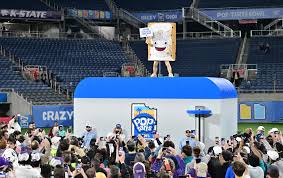
Then there’s the unforgettable moment everyone talks about: the edible mascot. This bold marketing idea broke the internet when it first debuted and has since become a viral tradition. While it may seem bizarre, fans embrace it wholeheartedly because it’s something no other bowl game would even consider doing. Moments like this contribute to the cultural footprint of the event, making it something people look forward to year after year.
What fans appreciate most, though, is that the bowl never tries to be something it’s not. Instead of chasing after legacy or prestige, it leans into pure enjoyment. Whether you’re a longtime fan or visiting for the first time, you walk away with a smile and a handful of memories. That’s what great sports experiences are made of.
Marketing Magic: How Pop-Tarts Turned a Bowl Game Into a Sensation
The Pop-Tarts Bowl is a masterclass in modern marketing. Instead of relying on traditional advertising, the brand took a bold, immersive approach that blurred the line between sports and entertainment. Every element—from social media strategy to stadium decorations—was crafted to spark conversations and create shareable moments.
One of the smartest moves was how self-aware the marketing was. Pop-Tarts embraced the absurdity of sponsoring a major football game and turned that into humor. Posts, graphics, and commercials leaned into jokes, memes, and playful commentary. This immediately won over younger fans, who value humor and authenticity over formal messaging.
The viral mascot moment cemented the bowl’s presence in pop culture. When the mascot was revealed to be edible—and later “consumed”—social media went wild. Millions of views poured in, and news outlets covered the moment like it was breaking sports news. It was arguably one of the most talked-about bowl game moments in years, even overshadowing some championship games.
Another marketing win was the brand’s focus on interactive fan engagement. The bowl didn’t just rely on advertisements; it created experiences. Limited-edition Pop-Tarts flavors, fan contests, themed merchandise, and digital activations helped fans feel involved long before game day arrived. This level of engagement keeps the bowl relevant throughout the year, not just during the postseason.
The Pop-Tarts Bowl proves that creativity is more powerful than tradition in certain contexts. While many brands stick to safe sponsorships, Pop-Tarts took a chance—and that risk paid off in a major way. The game is now one of the most recognizable and talked-about bowl events on the calendar. Its marketing success is studied in classrooms, analyzed by advertising professionals, and admired by sports fans everywhere.
The Cultural Impact: Why People Can’t Stop Talking About It
Sports bowls usually fade from the public conversation within a week or two, yet the Pop-Tarts Bowl stays relevant for months. That’s because it doesn’t just exist within the world of college football; it sits at the intersection of sports, humor, internet culture, and marketing. This unique position has given it cultural staying power that most other bowls lack.
A huge part of the cultural impact comes from its meme-ability. In today’s digital landscape, memes shape how people engage with events. The Pop-Tarts Bowl provides endless meme fuel—from giant mascots to unusual halftime moments to comedic social media posts. Fans keep these jokes alive long after the game ends, giving the bowl continuous relevance.
The bowl also taps into nostalgia. Pop-Tarts are a beloved childhood snack for many people, and combining that nostalgia with college football creates an emotional connection that hits multiple generations. Even people who don’t follow football find themselves drawn in simply because the brand is so recognizable and playful.
Media coverage further amplifies the bowl’s cultural presence. News outlets, influencers, bloggers, YouTubers, and sports analysts all talk about the game—not just for the athletic performance, but for the spectacle surrounding it. When an event breaks the mold, media attention naturally follows. The Pop-Tarts Bowl has become a yearly headline generator, and that attention adds to its legacy.
Most importantly, the cultural impact comes from shared joy. In a sports world that sometimes takes itself too seriously, the Pop-Tarts Bowl reminds people that fun still matters. It gives fans something to laugh about, talk about, and look forward to. That sense of community and enjoyment is what makes the bowl not only memorable, but meaningful.
Looking Ahead: The Future of the Pop-Tarts Bowl
Judging by its momentum, the Pop-Tarts Bowl isn’t going anywhere anytime soon. In fact, it’s likely to continue evolving as creative ideas and fan engagement strategies grow stronger. Whether it introduces new mascots, wild promotions, or unexpected game-day twists, the bowl will probably keep pushing boundaries.
One likely direction is expanding digital engagement. As younger audiences dominate the sports landscape, the bowl may lean even harder into online content, interactive voting, AR experiences, or behind-the-scenes digital storytelling. The bowl already performs exceptionally well on platforms like TikTok and Instagram, and future seasons will likely deepen that connection.
Another growth area is in-stadium innovation. The bowl has already proven it can surprise fans, so expectations will only rise moving forward. New halftime ideas, themed fan zones, and creative partnerships could elevate the live experience even more. If the bowl continues to invest in high-energy, memorable moments, it will remain one of the most anticipated games each season.
There’s also the possibility of expanding the Pop-Tarts brand through merchandise, collaborations, or limited-edition flavors tied specifically to the bowl. Fans love collectibles, and bowl-themed Pop-Tarts could become yearly hits. This type of cross-promotion deepens the bowl’s identity and strengthens its position as a cultural event, not just a football game.
Ultimately, the bowl’s future looks bright because it understands its audience. It knows that today’s fans want more than games—they want experiences. As long as the Pop-Tarts Bowl continues delivering on that promise, it will stay relevant, exciting, and unforgettable.
Final Thoughts: Why the Pop-Tarts Bowl Is Here to Stay
The Pop-Tarts Bowl is a perfect example of how sports can evolve without losing their core. It blends competitive football with creativity, humor, and unforgettable fan engagement. What started as a rebranded bowl game quickly became a cultural sensation—and for good reason. It isn’t afraid to be fun, bold, and different.
In a crowded postseason landscape, the Pop-Tarts Bowl carved out its own identity by refusing to follow old rules. Fans appreciate that originality. Players enjoy the spotlight. Media outlets love the stories that emerge from it. Year after year, the bowl brings something fresh to the table, proving that even long-standing sports traditions can be reinvented.
As the bowl continues gaining popularity, one thing is certain: the Pop-Tarts Bowl isn’t just a football game—it’s an event, a celebration, and a yearly moment that fans genuinely look forward to. And that might be the sweetest thing about it.